Wall and Drywall Mold Removal in Hartland, MI
Damaged drywall is removed and wall cavities are cleaned and dried in your Hartland property. Call 24/7 to arrange your assessment and cleanup.
- Wall moisture checked first
- Contained removal and HEPA filtration
- Cavities dried before repair
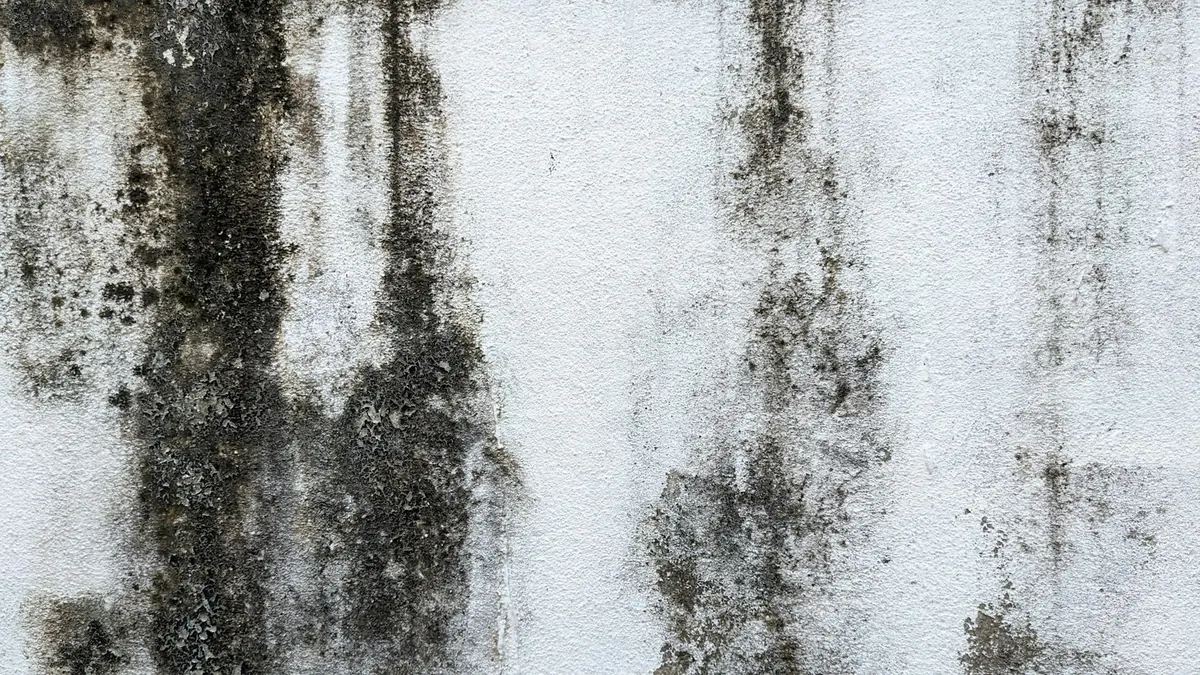
Explore Wall and Drywall Mold Removal Services in Hartland
Your wall cleanup includes baseboards and wallpaper as well as drywall and the cavity behind it. Damaged board and insulation are taken out. Studs in sound condition are dried after cleaning.
Before work, access behind your cabinets and tile is defined. Paper-faced board has a porous structure, so its condition guides the choice between cleaning and removal.
Tracing a window or plumbing leak, or condensation on your exterior wall, is the starting point for wall mold removal. A written scope distinguishes the cleanup work from leak correction and the drywall replacement and painting that follow remediation.
- Wall surface and cavity assessment
- Controlled removal of damaged sheetrock
- Affected wallpaper and insulation removal
- Sound framing cleaned and dried
- Moisture checks before wall repair
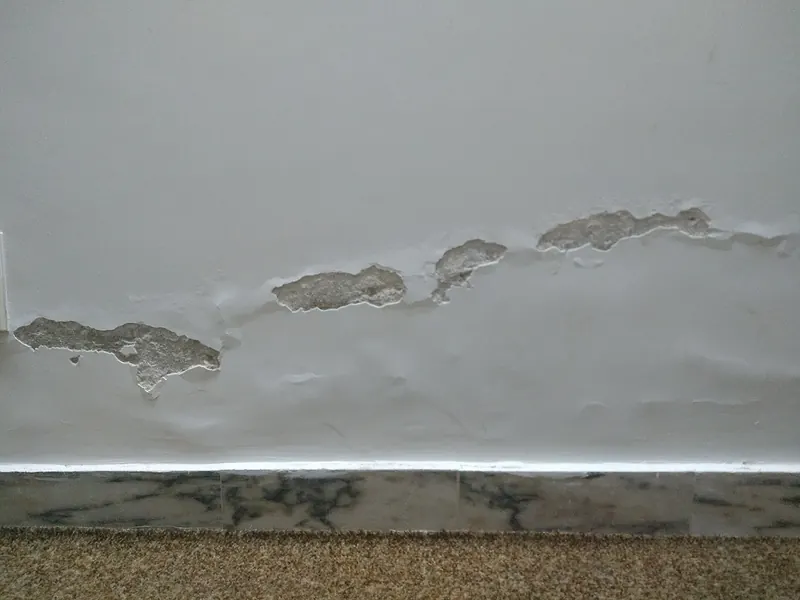
Recognizing the Need for Wall Mold Cleanup in Livingston County
Your wall needs assessment when finishes are damp, drywall softens or mold returns.
Mold on Walls Keeps Returning
You may see spots again by baseboards, plumbing fixtures or windows despite cleaning or painting.
Musty Smell Near a Wall
Concealed materials that are damp may occur alongside lingering cabinet-area odors.
Mold Behind Wallpaper
Patches become visible on the wall or wallpaper backing as you raise the paper.
Soft Drywall and Peeling Paint
Water stains, paint that bubbles or swelling persist following a leak.
Dampness Along Several Walls
Recurring marks in different rooms can indicate moisture extending past one visible area.
The Process for Wall and Drywall Mold Removal
Your walls are assessed first. Contained removal follows, then surfaces are cleaned and dried before verification.
Assess the Wall and Cavity
Visible mold and damaged finishes are assessed. Dampness is mapped with a moisture meter, while a thermal imaging camera shows temperature differences without identifying mold.
Set the Scope by Tracing Wall Moisture
Checks look for condensation, leaks and hidden moisture. Removal boundaries and separate moisture repairs are explained before work starts.
Contain the Wall Work Area
For the containment barrier, poly sheeting is used. Protective equipment, negative air pressure and a HEPA air scrubber limit particle spread.
Remove Damaged Drywall
The contained work area encloses removal of insulation, wallpaper and damaged board. Exposed cavities get assessed; bagged waste travels out by a protected path.
Clean Exposed Wall Surfaces
Sound framing undergoes surface cleaning and HEPA vacuum cleaning, as do appropriate non-porous surfaces. Physical cleaning remains necessary despite antimicrobial treatment.
Dry the Wall Cavity
After cleanup, drying is supported by air movers and a dehumidifier. Repairs address condensation or leaks as moisture readings show how drying progresses.
Complete the Post-Remediation Check
Before enclosing the wall, checks confirm cleaning, drying and correction of moisture problems. An independent assessor performs clearance testing when specified in your scope.
Remove Containment After Verification
Removal of containment follows post-remediation verification as agreed. Repairs involving insulation, finishes and drywall follow the scope for separate rebuilding.
Why Consider Detroit Mold Cleanup for Your Wall and Drywall Mold Removal
Clear Wall Removal Scope
Your scope clarifies cavity access, wall sections and distinct rebuilding work ahead of removal.
Calls Answered 24/7
One number starts your wall cleanup across Greater Detroit, including nights and weekends.
Cleanup Through Final Checks
Work removes damaged board and cleans and dries framing, with verification completed ahead of containment removal.
Wall Moisture First
Your leaks and condensation are traced during assessment ahead of damaged board replacement.
Contained Work With HEPA Filtration
Containment and HEPA filtration limit particle spread from your wall work area.
Before Wall Cleanup Begins in Livingston County
Keep your damaged walls intact. Call to have them assessed.
- Address active water. Stay clear of wet outlets and wiring; schedule leak repair once safe.
- Leave the wall intact. Wait for assessment before you remove wallpaper, scrape growth or sand drywall.
- Limit access. Prevent pets and children from approaching damaged materials or entering the work area.
- Avoid spreading particles. Do not aim a fan at moldy walls; EPA says not to run suspected contaminated HVAC equipment.
- Keep damage uncovered. Leave mold unpainted and avoid putting new finishes over damp board.
Your Wall and Drywall Mold Removal Cost in Hartland
Cavity damage, access and the area in square feet affect your price. These ranges are national, with removal costs distinct from drywall repairs. Overlapping figures for removal should not be combined.
Drywall mold removal; full removal can reach $20,000 or more
$1,000 to $20,000 per jobSource: This Old House, Mold Remediation Cost (cost data credited to Angi) (checked 2026-10-23)Following removal: repairs to drywall or replacement
$1,000 to $2,900 per jobSource: Servpro, Mold Remediation Cost (checked 2026-10-23)Understanding Changes in Your Wall Cleanup Cost
- Insulation and framing condition
- Affected wall square footage
- Containment and air filtration
- Access behind cabinets
- Separate testing and moisture repairs
Pricing for Your Wall Cleanup
These published national ranges are planning figures. Your on-site assessment defines the work and price before cleanup starts, including any separate source repairs or rebuilding.
Call (844) 352-3560 about costWall and Drywall Mold Removal Service Area Across Greater Detroit
Call (844) 352-3560 to arrange cleanup in Hartland or nearby communities. One number covers the metro.
ZIP codes
Common Questions About Wall and Drywall Mold Removal in Hartland
During wall cleanup, will you be able to stay home?
When occupied rooms are kept separate from both containment and debris transport, you may be able to stay. Access limits depend on your household needs, affected bedrooms, shared ventilation and layout. Certain projects mean arranging somewhere else temporarily. Assessment of these conditions precedes opening the wall, removal and cleanup.
How long will your wall cleanup in Hartland last?
An assessment of affected board, the cavity and access route determines your schedule. The work for a small section's removal differs from opening wall areas behind cabinets. Surface appearance does not guide drying; moisture readings do. Your return to normal room use also depends on leak repairs, verification and drywall finishing.
Will mold in walls return after cleanup?
An unresolved water problem can let mold return. Your assessment traces leaks, condensation and damp cavity materials before cleanup starts. Sound framing is cleaned and dried before new board goes in. Moisture repairs and continued humidity control help prevent the conditions that allowed growth in the first place.
Is testing needed before or after wall removal?
Visible mold often does not need air sampling under EPA guidance. Inspecting and checking moisture establish which affected materials and removal area are involved. Containment stays up until cleanup and drying have been checked. An independent assessor performs clearance testing when specified. Federal rules set no limit on indoor mold levels.
What does drywall cleanup cost in Livingston County?
Affected square footage, cavity damage and access behind finishes determine your price. Published national ranges appear in the cost cards above, alongside sources and units. Repairing drywall and removing materials are distinct categories. An assessment on-site sets out the work and your price before cleaning begins.
Is the moisture problem fixed during wall cleanup?
The moisture source is found in the assessment, with needed corrections outlined together with removal and drying. Only repairs to plumbing or windows and changes to ventilation listed in your scope are included. Before work begins, separate repairs are identified to avoid closing your cleaned cavity over an unresolved water problem.
Is removing every part of the wall necessary?
The damage uncovered by assessment sets the removal area, without automatically requiring replacement of your entire wall. Moldy paper-faced board and unsalvageable insulation may need removal. Sound studs can often be cleaned and dried. If more damage appears inside the opened cavity, revise the scope before continuing with additional removal.
Your Wall Mold Cleanup and Insurance in Michigan
Your homeowners policy's deductible, exclusions and mold limits, along with the source of moisture, determine coverage. Decisions for rebuilding can differ from those for cleanup.
Wall Mold Safety Considerations Throughout Greater Detroit
Containment helps keep wall dust and mold spores from spreading.
Wall Mold Color
For black mold on drywall as for other mold, CDC says risk cannot be judged by color.
Concealed Wall Damage
Before you close a cavity with new board, deteriorated framing needs assessment for repairs.
Contaminated Water
EPA recommends turning to a professional when sewage or contaminated water is involved with mold.
Sensitive Occupants
Allergy symptoms and asthma symptoms can be triggered in some people by mold. People whose immune systems are weak or who have asthma or lung disease face higher risk.
Cleanup scope: For areas below about 10 square feet, EPA says homeowner cleanup is often possible. Seek a professional for contaminated water, HVAC systems or larger affected areas.
Cleaning or Removing Your Wall Materials in Livingston County
Your sound materials get cleaned; porous ones with damage may need to come out.
Drywall and insulation
- Damaged wallpaper is bagged with moldy board and insulation beyond saving, then removed.
Wall studs and plaster
- Framing that remains sound can undergo cleaning and drying; plaster needs assessment separate from its backing.
Trim and hard surfaces
- Swollen trim may need replacement; accessible metal, glass and tile may be cleanable.
Wall Cleanup and Repair Timeframes for Livingston County
Access and drying shape your timing, along with repairs after remediation.
- Wall access: Tile, nearby rooms and cabinets influence how you reach damaged materials.
- Cavity drying: Readiness for new board on cleaned framing is determined by moisture readings.
- Finishing: Once cleanup and agreed verification end, drywall installation proceeds, followed by joint finishing and painting.
Moisture Control and Wall Odor in Hartland
Moisture checks help investigate your musty wall smells. Neither applying paint nor adding fragrance fixes dampness in wall materials.
EPA recommends indoor relative humidity below 60 percent, ideally 30 to 50 percent. Leak correction and appropriate ventilation help keep repaired walls dry.
Wall Cleanup Requirements in Michigan
State Work Requirements
The Michigan Department of Health and Human Services says the State of Michigan does not offer certification for mold remediators or mold testing companies. If you are hiring someone, ask about their training and experience, and check your local contractor rules.
EPA Guidelines for Drying
Dry water-damaged areas and items within 24 to 48 hours to prevent mold growth.
Wall Repair Permits
Required permits depend on whether and what plumbing, rebuilding or structural work is included.
State Mold Information
The Michigan Department of Health and Human Services (MDHHS) publishes mold fact sheets and takes questions at 800-648-6942. It says it cannot test your home for mold and does not recommend mold testing.
State guidance: MDHHS: All About Mold
Related Services and Next Steps
Start Your Wall and Drywall Mold Removal in Hartland
Call 24/7 to arrange your assessment. Your cleanup starts with the affected surfaces, moisture source and access to your home.